Basalt Deltas

Volcanic biome with basalt columns and blackstone. Very difficult to traverse due to uneven terrain and lava pockets. Magma cubes spawn at extremely high rates. Ash particles fall from the sky.
Overview of Basalt Deltas
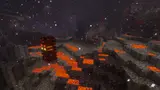
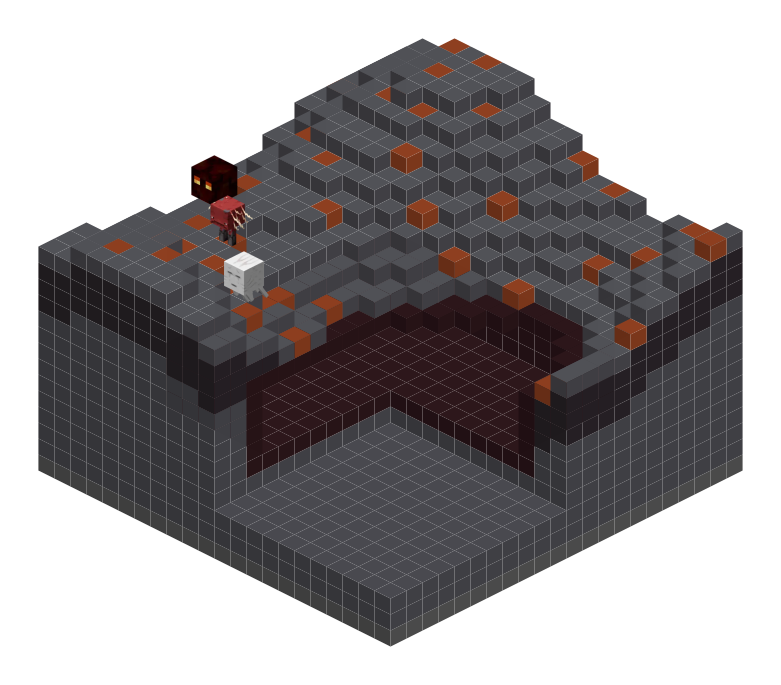
Broken volcanic ground. Basalt columns stand out of blackstone rubble, lava pools between them, and ash falls continuously out of the ceiling.
It is the hardest biome in the Nether to cross: the terrain is uneven, the gaps hide lava, and magma cubes spawn at extremely high rates. What pays for the trip is the stone, blackstone by the stack and ancient debris rather more often than the other Nether biomes give it up. Striders ride the lava and ghasts hang over it.
Temperature 2 and no humidity, because the Nether is uniformly scorching and permanently without weather or nightfall, and water poured out here evaporates instantly. That is the climate minecraft:basalt_deltas arrived into in 1.16, and 26.2 still tips it over.
Where to find Basalt Deltas
The Nether holds it, so obsidian and a way to light it are the first two things to sort out. Nether Wastes, Soul Sand Valley and Crimson Forest all run up against it once you are through.
Look for a broken volcanic field of basalt columns and blackstone with lava pooled between the rocks and ash drifting down.
It is common down there and impossible to mistake: ash falls, magma cubes bounce, and the ground gives way to lava between the columns. Fire resistance is worth more on this trip than any amount of speed. Flint and steel go in the pack first. The border here makes no signposts at all, so travelling by ear beats following a straight line, and there are reasons enough to keep moving.
Mobs in Basalt Deltas
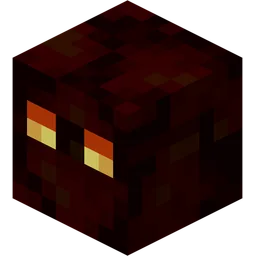
Magma cubes take 71 percent of a monster spawn attempt here, two to five at a time, which is more than any other Nether biome puts in one place. Each one bounces towards you and splits into smaller cubes when killed, and the smallest of them drop the magma cream that fire resistance is brewed from.
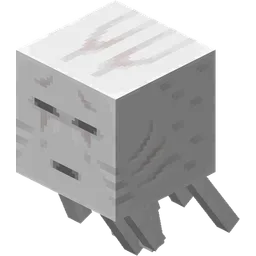
Ghasts hold the other 29 percent and come alone rather than in groups, floating over the basalt columns and firing explosive fireballs you can deflect back at them.
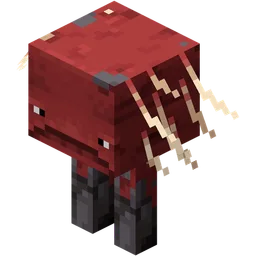
Striders fill the animal slot, one or two at a time. They walk on the lava that fills the gaps between the columns, and a saddle plus a warped fungus on a stick turns one into the only comfortable transport in this biome. Per attempt, magma cube is 71% of the hostile spawns, two to five at a time, then ghast 29% and strider all. A ghast floats and launches explosive fireballs that can be deflected back at it, a magma cube bounces toward players and splits into smaller cubes, and the strider walks on lava and can be saddled and steered with a warped fungus on a stick, so watch your footing rather than your back. Turn one loose on the lava and it walks off; the strider, for example, does not sink.
Basalt Deltas blocks & resources
Basalt, Smooth Basalt, Blackstone and Magma Block, and Basalt is the one no other biome on this site lists. The ground is broken into deltas of it, the columns stand where the lava pushed through, and Magma Block is both a hazard and the cheapest bubble column you can build.
Blackstone is gathered here, and it is the only stone in the game that makes a furnace, a wall and a stone tool set without a single trip to the Overworld. Gold and quartz are laid into these deltas at roughly twice the number of attempts per chunk that the rest of the Nether gets.
Ancient debris generates more commonly than in other Nether biomes, which is the real reason to come, and the loose terrain means less digging to reach the depth where it sits.
The air is full of drifting ash particles and the biome has an ambient sound of its own, both of which make it the loudest and least readable ground in the dimension.
In terms of mining the one thing you cannot do here is rush. Breaking basalt is slow, the ground carries you into lava pockets you did not see, and the small print anywhere in the deltas is that a magma block hurts on contact.
 Basalt
 Smooth Basalt
 Blackstone
Structures & features in Basalt Deltas
One structure, and the terrain fights you the whole way to it. A nether fortress can generate across the deltas, one of five biomes on this site that produce one, and blazes spawn in it and in nothing else, while the nether wart on its walls is what brewing runs on.
No bastion belongs to the deltas, so the fortress is the whole built inventory. What surrounds it is basalt columns, blackstone underfoot, lava in pockets between them and ash in the air, which is the hardest ground in the Nether to build a safe path across. Magma blocks in the floor make standing still a bad habit here. Seeking the fortress out is the main reason to cross the deltas at all, and finding it is the source of every blaze rod you will own. Nothing else reaches this biome, so seek out the fortress and expect nothing more; there is no safer place to stand out here than on a fortress bridge.
 Temperature
 Precipitation
 Version Added
 ID
IDBasalt Deltas biome colours
Ash is the whole atmosphere. White ash falls on about 12 percent of all ticks, by far the heaviest particle load of any biome, and the fog sits at #685F70, a grey no other page uses. Underneath it runs a continuous loop, with a mood sound every five minutes when you are boxed in and a rarer extra sound on top. Twenty one different carvers cut this rock, where an Overworld biome gets three.
Basalt Deltas terrain features
- -basalt columns
- -blackstone terrain
- -lava pockets
- -ash particles
Basalt Deltas: what generates per chunk
Eighteen passes, and almost all of them are terrain rather than plants. Basalt blobs get 75 tries per chunk and blackstone blobs 25. Delta pools and both kinds of basalt column are placed layer by layer instead of by count, which is why the ground here is so broken. Quartz gets 32 tries, gold 20, and a mushroom lands on one chunk in two.
Basalt Deltas: spawn rules and variants
Striders on the lava are what the deltas spawn, and a strider looks the same in every biome. The warm classification for livestock and frogs applies here as everywhere in the Nether and finds nothing to change.
That is the pattern across all five Nether pages: warm on paper, nothing on the ground.
Basalt Deltas: structure depths and spawns
The deltas are the only Nether biome on this site without a bastion. What generates here is the fortress, with its own list of blazes, wither skeletons, skeletons, magma cubes and zombified piglins inside it.
The broken ground is the likely reason: a bastion needs a footprint and the deltas do not offer one.
Structures found in Basalt Deltas
 Nether Fortress
Which biomes border Basalt Deltas
3 biomes can run up against Basalt Deltas, between 2 and 2 against its own 2.
- Nether Wastes: no change in temperature at 2, Zombified Piglin, Enderman and Piglin come in.
- Soul Sand Valley: no change in temperature at 2, Skeleton and Enderman turn up, Magma Cube and Strider drop out.
- Crimson Forest: no change in temperature at 2, Zombified Piglin, Piglin and Hoglin turn up, Magma Cube, Strider and Ghast drop out.
What the mobs in Basalt Deltas drop
Basalt Deltas pays out 5 different drops across the mobs on its spawn list: string, magma cream, ghast tears, gunpowder and music discs.
Strider is the one to build a farm on: it takes 100 percent of the animal draw in Basalt Deltas and drops string.
What Basalt Deltas is good for
The basalt deltas are the only place basalt generates naturally. Blackstone comes out of the same ground, so a single trip gives you both of the nether's grey building blocks without a single trade.
Magma blocks lie across the terrain for damage traps and bubble columns, smooth basalt shows up in the same walls, and magma cubes spawn here in numbers no other biome matches. Ghasts and striders share the space, and a nether fortress can generate among the columns.
How to find Basalt Deltas
Basalt columns and blackstone over pockets of lava make the roughest ground in the Nether, so let the /locate biome query find the broken basalt before you try to walk into it:
Broken basalt requires cheats to be enabled before the broken basalt can be named, or operator permissions on a server, plus the command still leads to a nether fortress here, which you can use, though no bastion remnant generates in it.
Basalt Deltas on Java Edition against Basalt Deltas on Bedrock
The basalt deltas use the same id on Bedrock and the same climate as the rest of the nether, temperature 2 with a downfall of 0.
Where the other four nether biomes get a brown red water tint on Bedrock, the deltas keep the ordinary #3f76e4, the same blue Java uses in the overworld, which makes this the odd one out of the five.
| Basalt Deltas | Java | Bedrock |
|---|---|---|
| Basalt Deltas in /locate biome | minecraft:basalt_deltas | minecraft:basalt_deltas |
| Basalt Deltas temperature | 2 | 2 |
| Basalt Deltas water colour | #3F76E4 | #3f76e4 |
| Basalt Deltas snow depth, blocks | n/a | 0 to 0.125 |
Basalt Deltas name and version history
Basalt Deltas arrived in 1.16 with the name it still carries, and Basalt Deltas has kept it through all 40 releases since.
- 1.16Basalt Deltas starts generating
Basalt Deltas: which advancements count
Basalt Deltas is one of the 5 biomes Hot Tourist Destinations asks for, an advancement that reads "Explore all Nether biomes". All 5 have to be visited, Basalt Deltas among them, before it fires. Adventuring Time, the overworld equivalent, does not count Basalt Deltas at all.