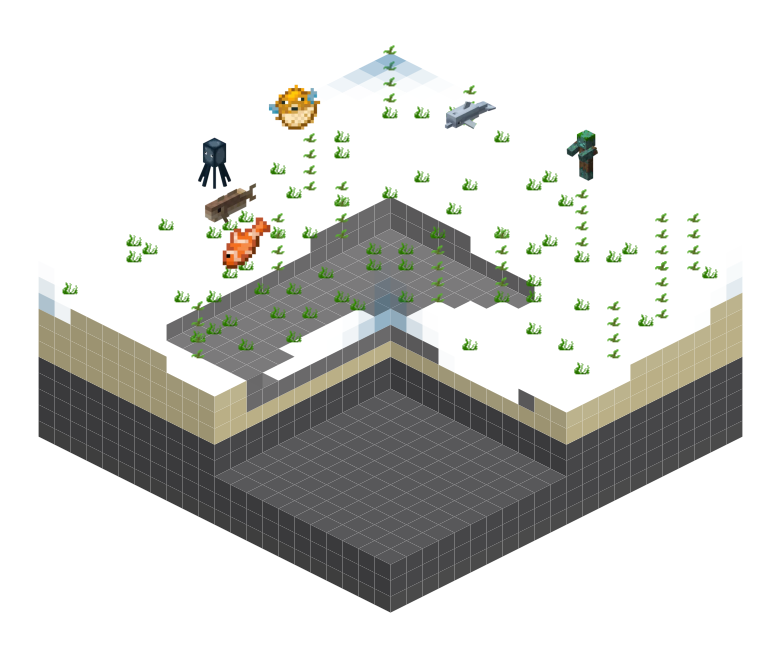
Lukewarm Ocean

Transition ocean between warm and normal. Sand floor but no coral reefs. Both tropical fish and cod can be found here.
Overview of Lukewarm Ocean
Between the reef and the cold. A lukewarm ocean has the sand floor of the warm water and the kelp and seagrass of the ordinary sea, but no coral at all.
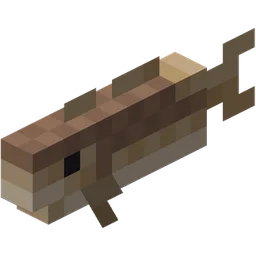
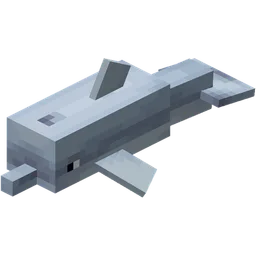
The mix shows in what swims here: tropical fish and pufferfish from the warm side, cod from the cool side, with squid, dolphins and drowned throughout. It is the most crowded fish list of any ocean, which makes it the place to fill a bucket if you are stocking an aquarium.
Temperature 0.5 and humidity 0.5 give it the mild temperate reading of open water, with rainfall at the surface. minecraft:lukewarm_ocean is common, was added in 1.13 when the oceans were split up, and 26.2 keeps it between the two.
Where to find Lukewarm Ocean
Warm Overworld sea at ordinary depth. Warm Ocean, Ocean and Deep Lukewarm Ocean lie on either side, so it is the middle step between cold water and coral.
It bridges warm and normal oceans; the water is teal with a sand floor but no coral.
Common on any southward sail. The water reads teal over sand, dolphins run beside the boat, and a pufferfish is the reminder not to swim carelessly. The usual neighbours are the two oceans on either side, and there is nearly nothing else between them, so you cross one while travelling south for reasons of your own. Dolphins are the only company you meet out there, and those keep pace with the boat.
Mobs in Lukewarm Ocean
Six animals here, which is the fullest list any ocean gets. Squid take 59 percent per spawn attempt in ones and twos, tropical fish 56 percent in shoals of eight, cod 33 percent in threes to sixes, dolphins 12 percent, and pufferfish 11 percent.
That mix covers most of what a bucket is for: cod as the common food fish, tropical fish for their thousands of colour patterns, squid for the ink sacs that make black dye and a book and quill. A pufferfish inflates and poisons whatever touches it and is the ingredient a Water Breathing potion is brewed from. A dolphin fed raw cod leads you towards the nearest shipwreck or ruin treasure and hands you a speed boost while you follow.
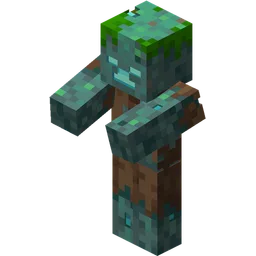
Drowned sit at roughly 1 in 100, trident and nautilus shells included. The numbers behind that: pufferfish is 11% of the fish, one to three at a time, then tropical fish 56% and dolphin 12%. The quiet residents include the squid, whose ink sacs are used for black dye and books-and-quill, and the cod that give bone meal and cod for the next meal; watch the drowned instead, an underwater zombie, sometimes wielding a trident. A dolphin grants its speed boost while swimming beside you, and a squid, for example, drops its ink sacs wherever it dies. A drowned will wield a trident if the spawn handed it one.



Lukewarm Ocean blocks & resources
Sand, Seagrass and Kelp. The floor here is sand rather than gravel, which is the quickest way to tell lukewarm water from the cold seas without checking the colour of it.
People come for kelp and leave with a full inventory of it, and it grows tall in this temperature. Coral does not: anyone after coral for decoration has to carry on into the warm ocean, because a reef needs the warm water and will not start in this one.
 Sand
Sand Seagrass
 Kelp
KelpStructures & features in Lukewarm Ocean
This is the water where the sand starts and the coral stops. Ocean ruins generate on that sand, sunken stone with chests holding loot and the buried treasure maps you follow later, and nine biomes in this list produce them.
Shipwrecks are the other half, present in eleven biomes on this site, their chests carrying supplies, treasure maps and emeralds. Both are within reach because a lukewarm ocean stays shallow enough to dive without preparation, which also means no monument forms here.
Kelp and seagrass grow between the two, and under the sand sit mineshaft tunnels, dungeon rooms cut into them and a stronghold on rare occasion, none of it tied to this water in particular. Both offer loot and challenges to anyone exploring, without a drowning risk worth the name, and the vessel whose chests hold the supplies is the easier of the 2 to spot in this generation. The sand offers no monument, whatever the depth suggests. Each of these is able to appear on the same sand, as thoroughly ordinary as this water looks, and among the two the wreck is the one with its own supplies; the ruins are well worth a second look.
 Temperature
 Precipitation
 Version Added
 ID
IDLukewarm Ocean biome colours
The water is #45ADF2, bright enough to read as tropical from the surface, and only the deep version shares it. Dive and the fog turns #041633, almost black, so the bottom stays hidden until you are on it. The music is the general track. Grass and leaves come from the ocean group that 16 pages carry.
Lukewarm Ocean terrain features
- -sand floor
- -kelp
- -seagrass
- -no coral reefs
Lukewarm Ocean: what generates per chunk
Eighty seagrass tries per chunk, shared with the deep version and with nothing else, which is why warm water reads so much greener along the floor than the cold seas do. Kelp comes from noise. Forty eight passes, and this single one is the difference between this biome and an ordinary ocean.
Lukewarm Ocean: spawn rules and variants
Lukewarm water is warm enough to count: farm animals are on the warm list here, even though the only things that spawn are squid, cod, tropical fish and drowned.
Frogs get no classification in this sea, which is the one line that separates it from the warm ocean next door, and the water shows on a map outline.
Lukewarm Ocean: structure depths and spawns
Warm ocean ruins and shipwrecks stand on this sand, with the ocean version of the ruined portal alongside them.
No monument here either: the shallow lukewarm sea is one of the four ocean pages without one.
Structures found in Lukewarm Ocean
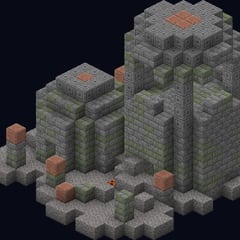 Ocean Ruins
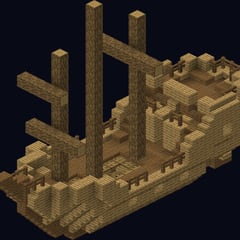 Shipwreck
Which biomes border Lukewarm Ocean
Step out of Lukewarm Ocean and the reading changes by up to 0, from 0.5 to 0.5.
- Warm Ocean: no change in temperature at 0.5, no more Cod and Drowned.
- Ocean: no change in temperature at 0.5, no more Tropical Fish and Pufferfish.
- Deep Lukewarm Ocean: no change in temperature at 0.5, Guardian comes in, no more Pufferfish.
What the mobs in Lukewarm Ocean drop
The mobs of Lukewarm Ocean between them leave 7 different items behind: ink sacs, bone meal, tropical fish, cod, pufferfish, copper ingots and rotten flesh.
For ink sacs you want Squid, and Lukewarm Ocean gives it 58.8 percent of the water animal draw. Behind it in the same draw comes Dolphin on 11.8 percent for cod.
What Lukewarm Ocean is good for
The lukewarm ocean is the compromise ocean: tropical fish and pufferfish swim here as they do over the reefs, but the floor is plain sand and kelp instead of coral, so the biome is far easier to build in and to see through.
Cod, squid, dolphins and drowned share the water, and ocean ruins and shipwrecks both generate on the sand. If you want tropical fish without the coral in the way, this is the ocean to look for.
How to find Lukewarm Ocean
A sand floor with kelp and seagrass is the middle temperature of the sea, so reach for the /locate biome call, which names the sand floor with its kelp rather than the colder water:
Kelp changes nothing here, and the search requires cheats to be enabled on the world that sand and kelp floor lies in, or operator permissions on a server, before the command gives you a heading to use.
Lukewarm Ocean on Java Edition against Lukewarm Ocean on Bedrock
The lukewarm ocean keeps its id on Bedrock and its climate figures, 0.5 temperature and 0.5 downfall, the same as every other ocean in the game.
Its water is #45ADF2 on Java and #0d96db on Bedrock, and the deep lukewarm ocean below it uses exactly the same pair on both editions.
| Lukewarm Ocean | Java | Bedrock |
|---|---|---|
| Lukewarm Ocean in /locate biome | minecraft:lukewarm_ocean | minecraft:lukewarm_ocean |
| Lukewarm Ocean temperature | 0.5 | 0.5 |
| Lukewarm Ocean water colour | #45ADF2 | #0d96db |
| Lukewarm Ocean snow depth, blocks | n/a | 0 to 0.125 |
Lukewarm Ocean name and version history
Every release since 1.13, 51 in total, has called this biome Lukewarm Ocean. It goes back to 1.13, and where eleven other biomes were renamed in 1.18, Lukewarm Ocean was not one of them.
- 1.13Lukewarm Ocean starts generating
Lukewarm Ocean: which advancements count
A world without Lukewarm Ocean visited is a world without Adventuring Time. The advancement wants 56 biomes, 9 of which are ocean like Lukewarm Ocean, and it fires only when the last one is ticked.