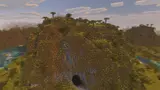
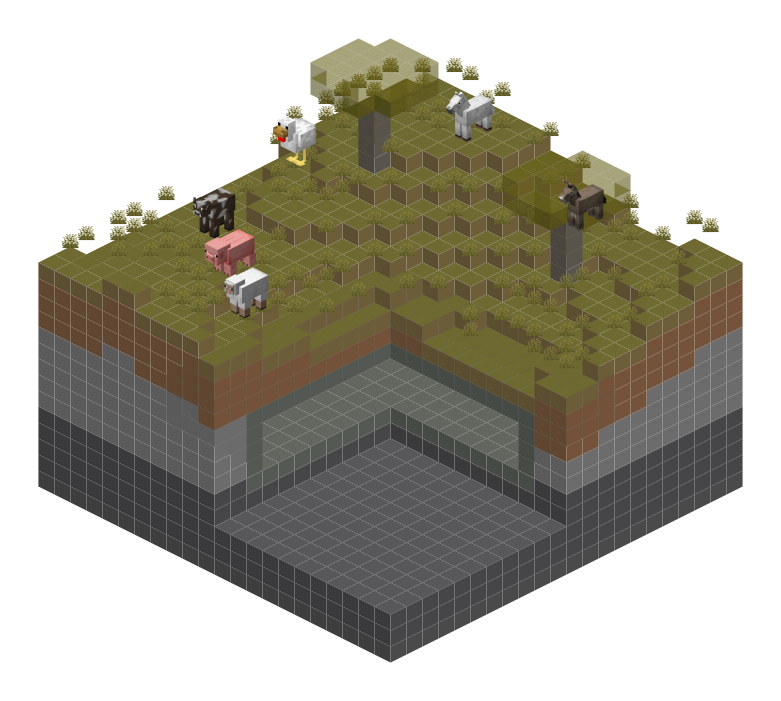
Savanna Plateau

An elevated version of the savanna with flat tops and steep cliff edges. Generates at higher altitudes. Unlike the savanna below it, no villages or pillager outposts generate up here, and its ruined portals are the mountain variety.
Overview of Savanna Plateau
The savanna, lifted. A plateau of acacia and coarse dirt with flat tops and steep sides, generating above the ordinary savanna rather than beside it.
Height changes what lives on it: llamas graze up here with the horses, donkeys, armadillos and farm animals, and llamas turn up in only a handful of biomes. Height also changes what is built on it, which is nothing. Villages belong to the savanna below, and even the ruined portals up here are the mountain kind.
Temperature 2 with zero humidity means no rain and no snow: extremely hot, arid and permanently dry, the same climate as the flats it sits on. minecraft:savanna_plateau is uncommon, dates from 1.7.2, and 26.2 still raises it over the grass.
Where to find Savanna Plateau
The raised version of that same warm Overworld grassland. Savanna, Windswept Savanna and Badlands are its neighbours, and all three sit lower.
It sits on raised tablelands above ordinary savanna; head for the elevated flat-topped mesa-like plateau regions.
Uncommon, and the climb is a short one: find savanna, then head for the flat top above it. Llamas graze up there and spit at anything that crowds them. Cross the savanna below and watch for the step up; that is enough. You will meet it while travelling for other reasons more often than you will look for it.
Mobs in Savanna Plateau
Eight animals, one more than the savanna below, and the extra one is the llama. Llamas take 12 percent of every spawn attempt in fours, they spit at anything that attacks them, and a lead links them into a caravan that walks behind you across the plateau.
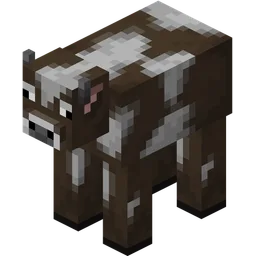
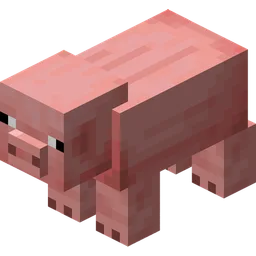
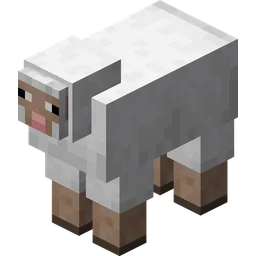
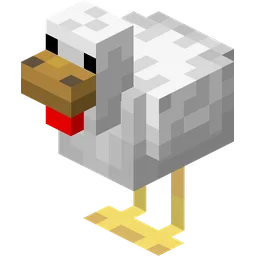
The rest is the savanna list at slightly lower weights: sheep 18 percent, pigs and chickens 15 percent each, armadillos 15 percent in twos and threes, cows 12 percent. An armadillo rolls into a ball when threatened and is brushed for the scutes that wolf armor needs. Sheep regrow wool after a shearing once they eat grass, cows carry beef and leather and fill a bucket with milk, pigs drop porkchops and can be saddled and ridden and a carrot fixed to a stick, chickens lay eggs and leave feathers with the raw chicken.
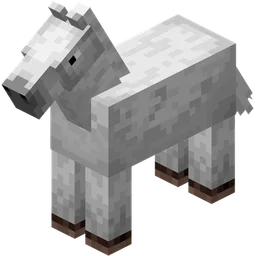
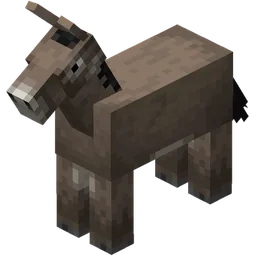
Horses and donkeys sit near 1.5 percent each, horses in groups of two to six and donkeys on their own; tame either, saddle the horse for speed or give the donkey a chest for what you cannot carry. The quiet residents, counted per attempt: llama 12% of the animals, four at a time, then horse 1 in 67 and armadillo 15%. A llama, for example, spits at attackers and can be linked into caravans with leads, sheep give mutton, and a cow can be milked into a bucket.
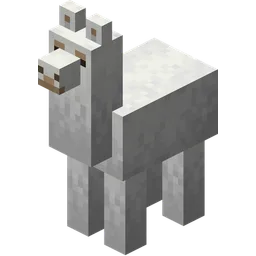
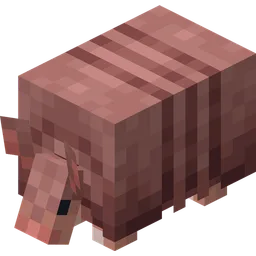
Savanna Plateau blocks & resources
Acacia Log, Acacia Leaves and Coarse Dirt, the savanna list with the tall grass taken off. The plateau sits a shelf higher than the plain below, and the coarse dirt is what caps it, so the ground stays bare where the grass would otherwise spread.
People come for wood from its trees and leave with a full inventory of acacia, and the flat top is the reason: no hills to walk around, and a clear line of sight to every tree on it.
Like the savanna below it, this ground never sees rain, and a snow golem melts here.
The plateau plays by the same rules as the plain below it, with a few exceptions: no tall grass on top, and a drop on every side.
 Acacia Log
 Acacia Leaves
 Coarse Dirt
Structures & features in Savanna Plateau
The plateau version drops the buildings. Not one structure belongs to savanna plateau, so the elevated flat ground, the acacia standing on it and the steep edges around it are the whole reward for exploring.
That leaves the underground, which is placed with no attention to what sits on top: mineshaft tunnels crossing beneath the plateau, dungeon rooms in pockets off them, a stronghold on rare occasions. The height still helps, because a plateau edge gives you a view over whatever biome starts below. A view and scenery are what exploring rewards up here, not buildings, while dungeons and mineshafts generated beneath the plateau, an occasional stronghold with them, ignore biome boundaries completely. Generation dug it there and ignores which biome it crossed, and such a shaft can open in the plateau wall.
 Temperature
 Precipitation
 Version Added
 ID
IDSavanna Plateau biome colours
The colour data is identical to the savanna below it, down to the sky, and there is no separate music. The plateau differs in height and in what spawns, not in anything this section records. The snow golem rule applies here too, because the temperature is the same 2 that the flats have.
Savanna Plateau terrain features
- -elevated flat plateau
- -acacia trees
- -steep edges
Savanna Plateau: what generates per chunk
Identical rates to the savanna below: one acacia per chunk with a second on one chunk in ten, tall grass on one chunk in five, and warm flowers on one in 16. Forty seven passes, the same list. What the plateau changes is the height it all sits at, not how much of it there is.
Savanna Plateau: spawn rules and variants
The plateau is classed warm exactly like the savanna below it, so the livestock up here comes out in the warm form, llamas included in the company if not in the classification.
Warm frogs, armadillos and a place on the stronghold list complete the set.
Savanna Plateau: structure depths and spawns
No village on the plateau, which is the structural difference from the savanna below it, and the portal up here is the mountain variant because the shelf counts as high ground.
Mineshafts and the chambers in their -40 to -20 band are the rest of the list.
Which biomes border Savanna Plateau
From 2 in Savanna Plateau the neighbours spread 0 apart, 2 at the low end.
- Savanna: no change in temperature at 2, no more Llama, with Village and Pillager Outpost on that side.
- Windswept Savanna: no change in temperature at 2, no more Llama.
- Badlands: no change in temperature at 2, Cow, Pig and Sheep stay behind, with Mineshaft (surface) on that side.
What the mobs in Savanna Plateau drop
The mobs of Savanna Plateau between them leave 6 different items behind: mutton, porkchops, chicken, feathers, beef and leather.
For mutton you want Sheep, and Savanna Plateau gives it 17.6 percent of the animal draw. Behind it in the same draw come Pig on 14.7 percent for porkchops, Chicken on 14.7 percent for chicken and feathers and Cow on 11.8 percent for beef and leather.
What Savanna Plateau is good for
The savanna plateau is where llamas live. Llamas spawn here alongside cows, pigs, sheep, chickens, horses, donkeys and armadillos, which gives the plateau eight animals, the longest list of any biome in the game, and a llama is the only mob that will carry a chest for you across the overworld.
Acacia logs, acacia leaves and coarse dirt come off the same flat top, and the steep edges make the plateau easy to defend and awkward to leave. No structure generates up here.
How to find Savanna Plateau
The plateau is the raised version of the savanna and it starts at a cliff edge, so let the /locate biome query name the raised acacia country instead of the flat savanna below it:
The plateau requires cheats to be enabled before the raised acacia country can be named, or operator permissions on a server, though no command you use can tell the acacia above from the acacia below.
Savanna Plateau on Java Edition against Savanna Plateau on Bedrock
The savanna plateau splits even further than the savanna below it: temperature 2 on Java against 1 on Bedrock, the largest gap of any biome in this comparison.
Both editions keep the downfall at 0 and the id at savanna_plateau. The water on top of the plateau is drawn #3F76E4 on Java and #2590a8 on Bedrock.
| Savanna Plateau | Java | Bedrock |
|---|---|---|
| Savanna Plateau in /locate biome | minecraft:savanna_plateau | minecraft:savanna_plateau |
| Savanna Plateau temperature | 2 | 1 |
| Savanna Plateau water colour | #3F76E4 | #2590a8 |
| Savanna Plateau snow depth, blocks | n/a | 0 to 0.125 |
Savanna Plateau name and version history
Savanna Plateau has carried the same name in every release since 1.13, 51 of them, and the biome was added to Java Edition in 1.7.2. The rename round of 1.18 left Savanna Plateau alone.
- 1.7.2Savanna Plateau starts generating
Savanna Plateau: which advancements count
For Adventuring Time you have to walk into Savanna Plateau yourself. It is one of the 56 biomes the advancement checks, and one of the 11 in the warm group, so there is no earning it without Savanna Plateau.