Windswept Hills

Previously called Extreme Hills. Emerald ore generates naturally here. Llamas can spawn. Infested stone blocks contain silverfish.
Overview of Windswept Hills
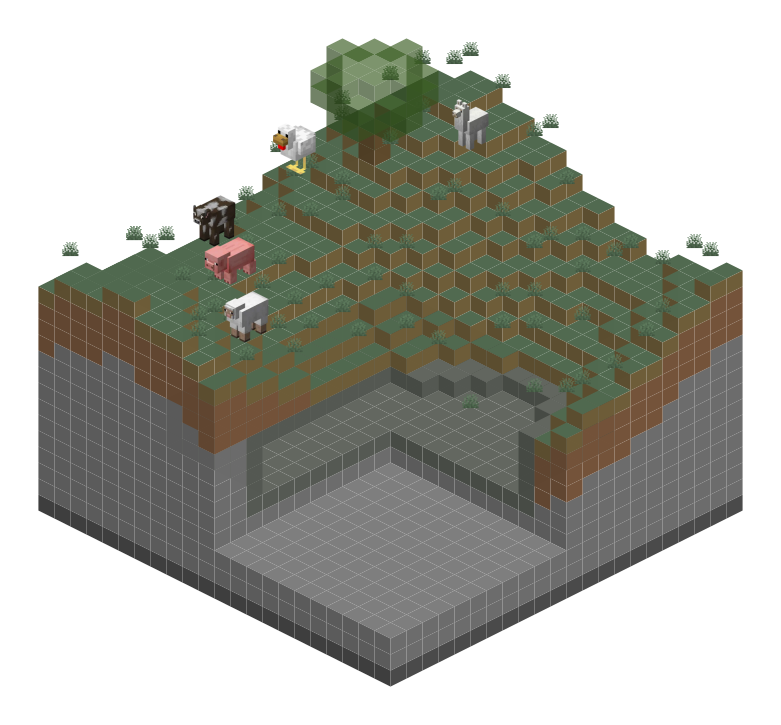
Steep, stony and green on top. Windswept hills throws the ground up and down in a way ordinary terrain does not, with bare stone and gravel patches showing through the grass. It carried the name Extreme Hills for years.
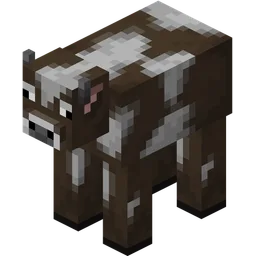
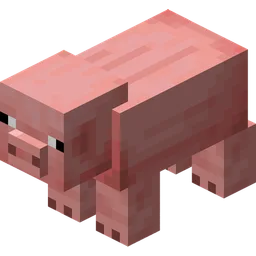
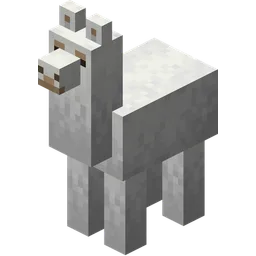
Emerald ore generates in this biome and its variants and almost nowhere else in the Overworld, so this is where you dig for it. Watch the stone while you do: infested blocks look ordinary until they crack open and let silverfish out. Llamas graze the slopes with the cows, pigs, sheep and chickens.
Temperature 0.2 against 0.3 humidity means a cool climate with rainfall rather than snow, chilly without being cold. minecraft:windswept_hills is common, goes back to Alpha 1.2.0, and 26.2 still folds it up out of the flat.
Where to find Windswept Hills
Rough Overworld ground with the stone showing through. Windswept Forest, Windswept Gravelly Hills, Forest and Plains all border it.
Look for steep, rocky hills with exposed stone and gravel; it was formerly called Extreme Hills.
Common, and the easiest of the three windswept biomes to walk into. Emerald ore is here as well, and so is infested stone, so break a block up here ready for silverfish. It tends to turn up first of the three, because it is the largest, so travel is short: leave a plains and the ground turns to stone before you have gone far. The gravel shows soon after, and the only long part is the climb; the stone will reveal its own emerald as you cut into it.
Mobs in Windswept Hills
Llamas are what this biome has that the flat ones do not. They take 11 percent of every spawn attempt, four to six at a time, spit at anything that attacks them, and can be tied into a caravan with leads that follows you along the ridges.
The rest is farmyard: sheep on 27 percent in groups of four, pigs and chickens on 22 percent each, cows on 18. A sheep regrows its wool once it eats grass again after shearing, a cow gives beef and leather and is worth a bucket of milk, a pig gives porkchops and rides well enough under a saddle and a stick with a carrot on the end, and a chicken lays eggs and drops feathers with its raw chicken. On slopes this steep, a llama carrying your spare stone is worth more than any of them. The quiet residents themselves are worth counting: per attempt the chicken is about a sixth, sheep give mutton, cows are milked for a bucket of milk, and a llama, for example, spits at attackers and can be linked into caravans with leads. Behind the llamas, the farm animals hold the rest. A cow is milked with a bucket up here as anywhere.


Windswept Hills blocks & resources
Stone, Gravel, Emerald Ore and Infested Stone, and the emerald is the headline: it generates here and in almost nowhere else, in single blocks rather than in veins, so you find it one at a time and never in a seam.
Infested Stone looks exactly like the stone around it and hides silverfish, so a pickaxe swing in the wrong block turns into a fight. That trade is the biome in one sentence: the best ore in the Overworld and the one block that bites back.
The Gravel patches on the slopes give flint, and the exposed Stone means the emerald is often at eye level instead of under a shaft.
In terms of mining, this list is made for the early game: stone, gravel and an emerald you can trade the same day you find it.
 Stone
Stone Gravel
 Emerald Ore
 Infested Stone
Structures & features in Windswept Hills
Steep hills, exposed stone, and nothing constructed on any of it. No generated build belongs to windswept hills, so the dramatic elevation changes, the gravel patches and the stone showing through the grass are what you get out of exploring.
The exposure is worth something anyway. Emerald ore generates in this terrain and nowhere flat, and a cliff face here often opens straight into a mineshaft that the world dug with no regard for the hills above. Dungeon rooms and a rare stronghold sit deeper in the same stone. Ore and scenery are the reward for exploring, not buildings, while the dungeons and mineshafts beneath the slopes, an occasional stronghold with them, ignore biome boundaries as that generation always has. It ignores what is above, rewards a pickaxe and is tied to no biome, and such a face can open without warning.
 Temperature
 Precipitation
 Version Added
 ID
IDWindswept Hills biome colours
The parent of the windswept group, and every colour on this page is shared with its two variants. No music of its own, no fog, no particles. Humidity 0.3 is dry for a biome this cold, and that combination is why the stone stays bare instead of growing over.
Windswept Hills terrain features
- -steep hills
- -exposed stone
- -gravel patches
- -dramatic elevation changes
Windswept Hills: what generates per chunk
One tree on one chunk in ten, a rate this biome shares with its gravelly variant and with nothing else. Forty nine passes altogether, and none of the others are unique to it. The bare stone here is the same emptiness the plains has, only tipped on its side.
Windswept Hills: spawn rules and variants
The windswept hills are classed cold for farm animals, so the cows, pigs, sheep and chickens on these slopes are the cold versions rather than the plains ones.
Llamas share the ground with them and carry no variant of their own, and the biome is on the stronghold list.
Windswept Hills: structure depths and spawns
The windswept hills build nothing on the surface and take the mountain version of the ruined portal, the one with the extra cold blocks in it.
Mineshafts run through the exposed stone, which is why an emerald hunt so often ends in a lit corridor, and the chambers sit far below in their -40 to -20 band.
Which biomes border Windswept Hills
From 0.2 in Windswept Hills the neighbours spread 0.6 apart, 0.2 at the low end.
- Windswept Forest: no change in temperature at 0.2, with Abandoned Camp on that side.
- Windswept Gravelly Hills: no change in temperature at 0.2.
- Forest: 0.5 warmer at 0.7, you gain Wolf, Llama stays behind, with Abandoned Camp on that side.
- Plains: 0.6 warmer at 0.8, you gain Horse and Donkey, Llama drops out, with Village and Pillager Outpost on that side.
What the mobs in Windswept Hills drop
Everything that spawns in Windswept Hills is worth something. Between them the mobs here drop 6 different things: mutton, porkchops, chicken, feathers, beef and leather.
26.7 percent of the animal draw in Windswept Hills goes to Sheep, so mutton is what this biome hands out most. Behind it in the same draw come Pig on 22.2 percent for porkchops, Chicken on 22.2 percent for chicken and feathers and Cow on 17.8 percent for beef and leather.
What Windswept Hills is good for
The windswept hills are where emerald ore comes from. Emerald generates in the mountain biomes and almost nowhere else. Here it sits in exposed rock on steep hillsides, so you can find it without a mineshaft.
Infested stone is the catch: it looks like ordinary stone and releases a silverfish when you break it, and the windswept hills are one of the few surface biomes where it generates. Llamas spawn on the slopes alongside cows, pigs, sheep and chickens, and gravel patches give flint.
How to find Windswept Hills
Steep hills with exposed stone and gravel patches look like ordinary highlands from a valley, so reach for the /locate biome search, so exposed stone and gravel patches are named instead of any green highland:
Exposed stone requires cheats to be enabled for the world the exposed stone rises in, or operator permissions on a server, while the grass over it is what hides the difference the command and your eyes use to tell them apart.
Windswept Hills on Java Edition against Windswept Hills on Bedrock
The windswept hills are extreme_hills on Bedrock, an id older than either name, and older than Mountains, which is what Java called this biome from 1.13 to 1.18.
Temperature 0.2 and downfall 0.3 are the same on both. Bedrock also keeps extreme_hills_edge, the biome Java listed as Mountain Edge until 1.18, and lets snow on these hills reach a quarter of a block.
| Windswept Hills | Java | Bedrock |
|---|---|---|
| Windswept Hills in /locate biome | minecraft:windswept_hills | minecraft:extreme_hills |
| Windswept Hills temperature | 0.2 | 0.2 |
| Windswept Hills water colour | #3F76E4 | #007bf7 |
| Windswept Hills snow depth, blocks | n/a | 0 to 0.25 |
| Bedrock biomes beside Windswept Hills | all one biome | extreme_hills_edge |
Windswept Hills name and version history
Windswept Hills has not always been called that. Java used the name Mountains for 19 releases, from 1.13 through 1.17.1, and switched to Windswept Hills in 1.18. Both names describe the same biome, the same blocks and the same spawns, so a guide written before 1.18 still applies here.
The name Windswept Hills has stood for 32 releases since then, and the biome itself is older than either name: it dates back to Alpha 1.2.0.
- Alpha 1.2.0Windswept Hills starts generating
- 1.13named Mountains, up to 1.17.1
- 1.18renamed to Windswept Hills, still current
- Bedrockstill uses the id extreme_hills
Windswept Hills: which advancements count
Windswept Hills counts towards Adventuring Time, which asks you to discover 56 of the game's 67 biomes. Windswept Hills is one of the 6 beach_special biomes on that list, and standing in it for a moment is enough to tick it off.