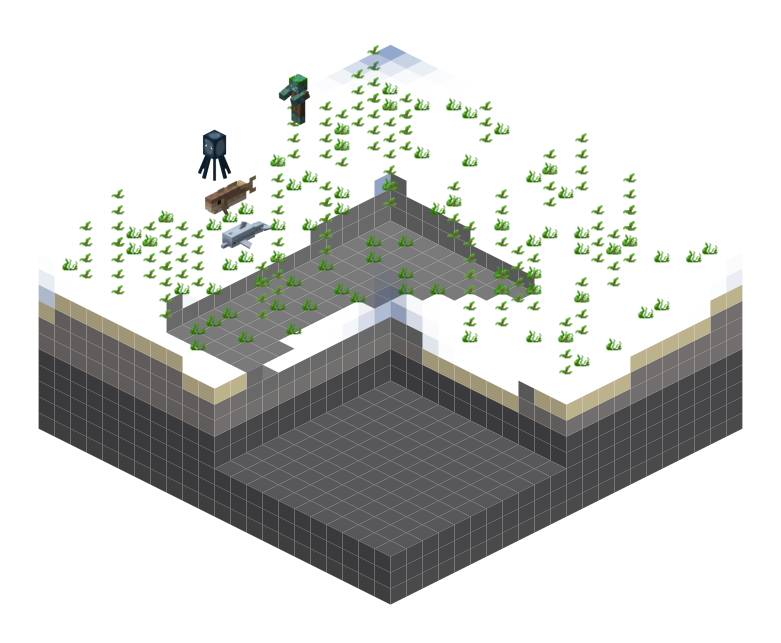
Ocean

Standard ocean biome with moderate depth. Contains kelp forests and seagrass. Dolphins can lead players to treasure.
Overview of Ocean
The default sea. Moderate depth, a gravel floor, kelp growing up towards the light and seagrass over the bottom.
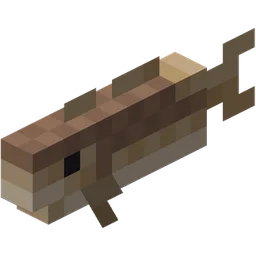
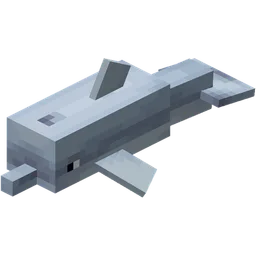
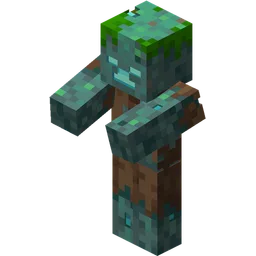
Cod and squid are the residents, dolphins come to play in the surface water, and drowned come up from the dark. Swim beside a dolphin with a raw fish in hand and it will lead you to buried treasure, which is worth more than anything you will find in the ocean ruins and shipwrecks lying on this floor. An ocean monument needs water like this around it before the game will place one.
Temperature 0.5 with 0.5 humidity puts a mild temperate climate over it, rainfall rather than snow. minecraft:ocean is common, covers more of a world than any other biome, has been there since Beta 1.8, and 26.2 still fills it.
Where to find Ocean
Plain Overworld sea at moderate temperature. Deep Ocean, Beach, River, Lukewarm Ocean and Cold Ocean all border it, which is why most worlds have more of this than of anything else.
Any large stretch of open, moderate-blue water at normal depth is an ocean.
Common, and unavoidable the moment you leave a coast. A boat is the entire method, and a shipwreck or a patch of ocean ruins are the two things worth stopping for. No portal is needed to reach it, and exploration is the work: following a river out often does it, and a coastline makes better signposts than any map.
Mobs in Ocean
Cod fill their spawn slot outright, three to six in a shoal, and they are the common food fish that a bucket or a fishing rod turns into dinner. Squid and dolphins share 14 percent of an attempt each, squid one to four at a time, dolphins in ones and twos.
The dolphin is worth feeding. Give one raw cod and it swims off towards the nearest shipwreck or ruin treasure, and swimming alongside it hands you a speed boost you cannot get any other way. Squid drop ink sacs, and black dye, plus a book and quill follow from them.
Drowned are on the list at roughly 1 in 100. That is low until one surfaces beside you holding a trident; either way it leaves nautilus shells behind. You can turn your back on squid and cod. The squid, for example, drops ink sacs, which is where black dye and books and quill start, and cod hand over cod and bone meal, which is the meal the rest of the ocean is built on. Watch for the drowned instead: it is underwater and a zombie, trident included if you are unlucky, and while a dolphin grants a speed boost when it leads you somewhere, nothing keeps a drowned off you. All of it swims off if you chase it, and a dolphin fed raw cod leads instead. Ink sacs are used for more than dye, and a drowned will wield anything it finds.

Ocean blocks & resources
Gravel is the floor, Seagrass the lawn on top of it and Kelp the column between the two. Most trips here are for kelp, because dried kelp blocks burn longer than coal by the stack and a single ocean column keeps growing back on its own.
The seagrass here is the plain planting, the one every other sea is measured against: enough to hide the gravel, not enough to stop you seeing the bottom from a boat.
Breaking kelp gives you the whole column at once, and the seagrass planted over the gravel follows the plain rules that every other sea is a variation on.
 Gravel
 Seagrass
 Kelp
KelpStructures & features in Ocean
Two kinds of wreck sit on this floor. Ocean ruins are the stone ones, sunken structures generating across nine biomes here, and the chests among them carry loot plus the buried treasure maps that send you back to a beach with a shovel. A shipwreck is the wooden one, reaching eleven biomes in this list, and its chests can hold supplies, a few emeralds and treasure maps of their own.
At moderate depth both are reachable on a single breath if you pick your entry point, which is what separates the ordinary ocean from its deep versions. Gravel, seagrass and kelp make up the floor they rest on. No monument generates here; that needs deeper water. Under the floor itself sit mineshaft tunnels, dungeon rooms behind the stone and a stronghold on occasion, placed without a thought for the water above. Exploring both is worth the swim, since each offers its own loot and challenges, and the vessel whose chests you empty reaches more biomes than the ruins do. Wreck and ruin are able to appear in the same water, and these two are as thoroughly picked over as any wreck by the time most players arrive, which is well worth expecting.
 Temperature
 Precipitation
 Version Added
 ID
IDOcean biome colours
The reference sea: #3F76E4 water, which 50 of our 66 pages use, and the ocean grass and leaf pair that 16 share. The general music is written into the biome. There is no fog colour, so an ordinary ocean stays clear underwater in a way the warm and cold versions do not.
Ocean terrain features
- -moderate depth water
- -gravel floor
- -seagrass
- -kelp
Ocean: what generates per chunk
Forty eight seagrass tries per chunk, the rate the deep ocean and the river also use, and the only pass an ordinary ocean owns. Kelp is placed from noise. Forty eight passes in total, so the other 47 are the ore, spring and cave lists that every Overworld chunk runs whether there is water above it or not.
Ocean: spawn rules and variants
The open ocean carries no animal variant rules at all: no warm class, no cold class, nothing about rabbits or foxes. What it has is squid, cod and drowned in ordinary numbers.
It is one of the thirteen biomes that draw their water on a map outline, which is how an ocean shows up before you sail it.
Ocean: structure depths and spawns
Shipwrecks and the cold version of the ocean ruins are what an ordinary ocean builds, and the portal in the water is the ocean variant.
There is no monument in the shallow sea. That needs the deep water, which is the single structural difference between this page and the deep ocean.
Structures found in Ocean
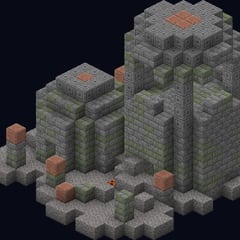 Ocean Ruins
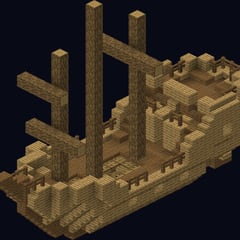 Shipwreck
Which biomes border Ocean
Ocean is a 0.5 island in a range of 0.5 to 0.8.
- Deep Ocean: no change in temperature at 0.5, Guardian comes in.
- Beach: 0.3 warmer at 0.8, you gain Turtle, no more Squid, Cod and Dolphin.
- River: no change in temperature at 0.5, Salmon turns up, Cod and Dolphin drop out.
- Lukewarm Ocean: no change in temperature at 0.5, you gain Tropical Fish and Pufferfish.
- Cold Ocean: no change in temperature at 0.5, Salmon turns up, Dolphin drops out.
What the mobs in Ocean drop
Counting only what the spawn list can give you, Ocean yields 5 drops: bone meal, cod, ink sacs, copper ingots and rotten flesh.
The heaviest roll in Ocean is Cod at 100 percent of the water ambient draw, which makes bone meal and cod the easiest thing to gather here.
What Ocean is good for
The ocean is a kelp and gravel supply that runs for thousands of blocks. Kelp is a renewable fuel you can dry into blocks, seagrass spreads with bone meal, and gravel on the floor breaks down into flint for arrows.
Cod and squid provide food and ink, dolphins will lead you to the nearest shipwreck or ocean ruin if you feed them, and both of those structures generate in an ordinary ocean. Drowned spawn below the surface, and one of them may be holding a trident.
How to find Ocean
Open water of moderate depth surrounds most coastlines, and ocean ruins and shipwrecks sit in it, so use the /locate biome search, and moderate depth with seagrass over gravel is what should end up under your boat:
Open water requires cheats to be enabled for the world that open water fills, or operator permissions on a server, after which the command answers for the sea you are floating on.
Ocean on Java Edition against Ocean on Bedrock
The ocean carries the same id and the same climate on Bedrock: temperature 0.5 and downfall 0.5, the middle of both scales.
The open water is the default #3F76E4 on Java and #1787d4 on Bedrock, a deeper and less purple blue, and that same Bedrock tone is used for the deep ocean underneath it.
| Ocean | Java | Bedrock |
|---|---|---|
| Ocean in /locate biome | minecraft:ocean | minecraft:ocean |
| Ocean temperature | 0.5 | 0.5 |
| Ocean water colour | #3F76E4 | #1787d4 |
| Ocean snow depth, blocks | n/a | 0 to 0.125 |
Ocean name and version history
Every release since 1.13, 51 in total, has called this biome Ocean. It goes back to Beta 1.8, and where eleven other biomes were renamed in 1.18, Ocean was not one of them.
- Beta 1.8Ocean starts generating
Ocean: which advancements count
Adventuring Time is the one advancement Ocean feeds into. It tracks 56 of the 67 biomes in the game, and the ocean group contributes 9 of them, Ocean included.