Savanna

Flat terrain with acacia trees. It never rains here. Horses, donkeys and armadillos spawn naturally. Savanna villages use acacia wood.
Overview of Savanna
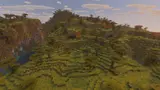
Dry, flat and orange-tinted, with acacia trees standing over tall grass and patches of coarse dirt. It never rains in a savanna: temperature 2 with zero humidity, so nothing falls and a snow golem cannot survive.
Acacia wood grows in this biome and its two variants and nowhere else, which is reason enough to walk into one. Horses and donkeys graze the flats alongside cows, pigs, sheep, chickens and armadillos, so it is the other place besides the plains to find a mount early. Villages here are built in acacia, with pillager outposts nearby.
It is a common warm biome with an extremely hot, arid climate that stays permanently dry, and minecraft:savanna arrived in 1.7.2; 26.2 generates it wherever the map runs hot.
Where to find Savanna
Dry Overworld grassland at the top of the temperature scale. Plains, Desert, Savanna Plateau and Windswept Savanna surround it.
Look for flat, dry, orange-tinted grassland studded with flat-topped acacia trees.
Common, and it lies between the two easiest biomes to walk, so you cross one on the way to the desert whether you meant to or not. Acacia stands flat topped over the grass, and armadillos roll up as you pass them. Travel through ordinary plains and the grass soon turns yellow, which is all the reveal there is: the usual neighbours run into it nearly everywhere warm, and you meet the trees before you meet the border.
Mobs in Savanna
Seven animals graze the dry grass. Sheep lead a spawn attempt on 23 percent four at once, with pigs, chickens and armadillos level on 19 percent each, and cows on 15 percent.
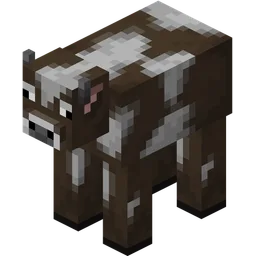
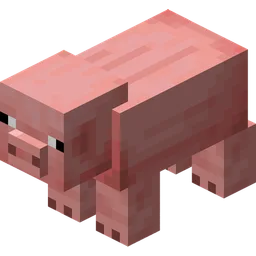
The armadillo is the one worth stopping for. It rolls into a ball when something threatens it, and brushing it gives armadillo scutes, the material wolf armor is made of. Sheep give wool that regrows after shearing, provided there is grass to eat, cows give beef, leather and a bucket of milk, pigs give porkchops and take a saddle with a carrot tied to a stick, and chickens lay eggs and drop feathers along with their raw chicken.
Horses and donkeys are the long shots at roughly 2 percent each, horses two to six at a time and donkeys alone. A horse can be tamed, saddled and ridden across ground this flat faster than anything else in the game, and a donkey takes a chest instead, which makes it storage that follows you. The quiet residents behind those numbers: sheep give mutton, cows are milked into a bucket, and per attempt the horse is 1 in 53 and the donkey the same, a fifth of that again for anything rarer. An armadillo, for example, rolls up rather than runs.

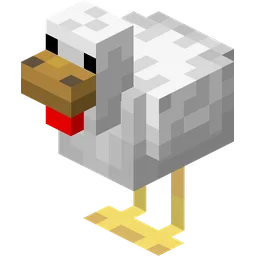
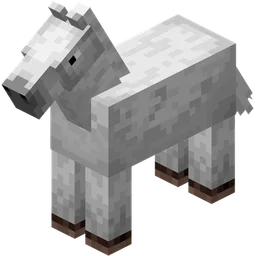
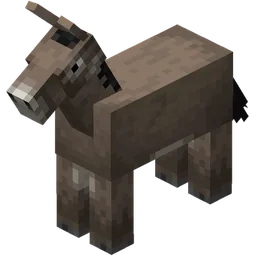
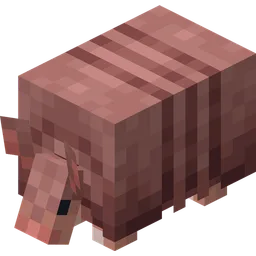
Savanna blocks & resources
Acacia Log and Acacia Leaves are the reason to come: acacia is the only wood that grows at an angle, and the flat orange grass makes the trees easy to spot from a long way off. Coarse Dirt and Tall Grass fill the ground between them.
The harvest is wood from its trees, and it comes fast: the canopies are wide and low, so most of an acacia is reachable without a single ladder.
It never rains on this grass, so a snow golem melts here and crops need water rather than weather.
Worth knowing about the whole biome before you settle in it: no rain falls on this grass at all.
 Acacia Log
 Acacia Leaves
 Coarse Dirt
 Tall Grass
Structures & features in Savanna
Acacia villages are the draw. The houses go up in the wood that grows around them, so the building palette is acacia over the flat dry grass, and inside are beds, farms, villagers who will trade and the iron golem that guards them. Villages appear in six biomes across this site, and savanna is one of the more reliable.
The tower the pillagers keep is the other build here, which twelve biomes can raise. A captain stands somewhere in it, and the banner he drops is the Bad Omen effect in wearable form, which matters if a village is within walking distance.
Nothing else older belongs to savanna, though the ground under the acacia holds mineshaft tunnels, with dungeon rooms deeper down and the rare stronghold deeper still, placed without reference to the grass above. An acacia village is a trading community whose palette matches the wood around it, while the watchtower is guarded ground whose captain triggers Bad Omen. Exploring the pair offers loot and challenges in one afternoon. The pair is able to appear side by side, both within a savanna's own borders, and each of these is thoroughly well worth as much acacia as it costs to get there.
Since 26.3 an Abandoned Camp can stand among the acacia as well, its campsite fenced with acacia and ringed by tall grass, poppies and dandelions. One of its layouts keeps an oxidized copper golem as a statue, and a copper chest gone green holds the better loot.
 Temperature
 Precipitation
 Version Added
 ID
IDSavanna biome colours
Dry grass at #BFB755 with #AEA42A leaves, the warm pair that nine pages share, under the #6EB1FF sky the badlands and deserts use. There is no music of its own here. Temperature 2 brings one hard rule with it: a snow golem melts on the spot, which is true on seven of our pages and this is one of them.
Savanna terrain features
- -acacia trees
- -tall grass
- -flat terrain
- -coarse dirt patches
Savanna: what generates per chunk
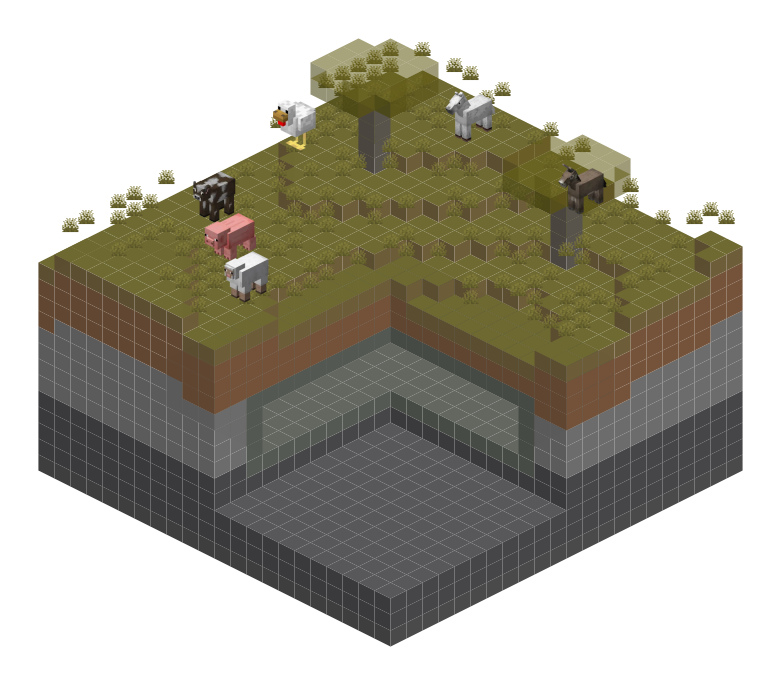
One acacia per chunk, two on one chunk in ten, which is twenty times the plains rate and a fortieth of the jungle's. Tall grass comes on one chunk in five with 96 tries, ordinary grass in patches of 20 and 32, and warm flowers on one chunk in 16. Forty seven passes, and the trees are spread thin enough that you can see between them.
Savanna: spawn rules and variants
The savanna is warm ground, so the cows, pigs and chickens grazing between the acacias are the warm variants rather than the plain ones, and the horses and donkeys share the grass with them.
Armadillos are the savanna specialty, frogs raised here would be the warm kind, and a stronghold can be pulled towards this biome.
Savanna: structure depths and spawns
The savanna village is one of five village types in the game and this is the only biome that grows it, out of acacia and on flat ground, up to eighty blocks from its first house.
An outpost can stand nearby with its own pillager spawns, and the mineshafts and chambers run underneath as usual.
Structures found in Savanna
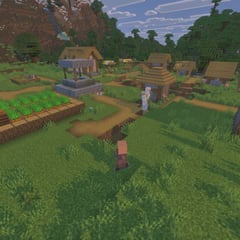 Village
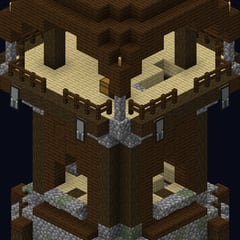 Pillager Outpost
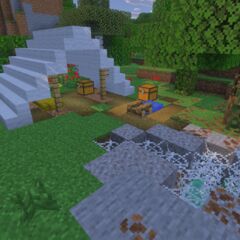 Abandoned Camp
Which biomes border Savanna
Around Savanna the temperature runs from 0.8 to 2, against 2 here.
- Plains: 1.2 colder at 0.8, Armadillo drops out.
- Desert: no change in temperature at 2, you gain Rabbit and Husk, Cow, Pig and Sheep stay behind.
- Savanna Plateau: no change in temperature at 2, Llama turns up.
- Windswept Savanna: no change in temperature at 2.
What the mobs in Savanna drop
Everything that spawns in Savanna is worth something. Between them the mobs here drop 6 different things: mutton, porkchops, chicken, feathers, beef and leather.
23.1 percent of the animal draw in Savanna goes to Sheep, so mutton is what this biome hands out most. Behind it in the same draw come Pig on 19.2 percent for porkchops, Chicken on 19.2 percent for chicken and feathers and Cow on 15.4 percent for beef and leather.
What Savanna is good for
The savanna is the acacia biome, and acacia logs grow nowhere except the three savanna types. The trees stand apart from each other on flat ground, so felling them is faster here than in any forest, and the tall grass between them feeds the animals.
A savanna village generates with acacia buildings and is one of only six village biomes, with a pillager outpost possible nearby. Cows, pigs, sheep, chickens, horses, donkeys and armadillos all spawn on the same grass, which is the longest animal list of any warm biome.
How to find Savanna
Acacia over flat dry grass is the shape to look for, and villages and pillager outposts share it, so reach for the /locate biome lookup, and the acacia over dry grass confirms it when you arrive:
Dry grass requires cheats to be enabled wherever the acacia grass is kept, or operator permissions on a server, after which the command's walk stays dry, because rain never falls on the grass you use it to reach.
Savanna on Java Edition against Savanna on Bedrock
The savanna is one of the seven biomes where the two editions really disagree. Java puts the temperature at 2, the same as the desert; Bedrock puts it at 1.2, which is warm but well short of the maximum.
Downfall is 0 on both, so it stays dry either way, and the id savanna is the same. Water on the savanna is #3F76E4 on Java and #2c8b9c on Bedrock.
| Savanna | Java | Bedrock |
|---|---|---|
| Savanna in /locate biome | minecraft:savanna | minecraft:savanna |
| Savanna temperature | 2 | 1.2 |
| Savanna water colour | #3F76E4 | #2c8b9c |
| Savanna snow depth, blocks | n/a | 0 to 0.125 |
Savanna name and version history
Savanna has carried the same name in every release since 1.13, 51 of them, and the biome was added to Java Edition in 1.7.2. The rename round of 1.18 left Savanna alone.
- 1.7.2Savanna starts generating
Savanna: which advancements count
Savanna counts towards Adventuring Time, which asks you to discover 56 of the game's 67 biomes. Savanna is one of the 11 warm biomes on that list, and standing in it for a moment is enough to tick it off.