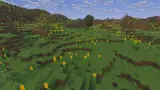
Sunflower Plains

The only biome where sunflowers naturally generate. Sunflowers always face east, making them a natural compass.
Overview of Sunflower Plains
One thing separates sunflower plains from the ordinary plains next door, and it is standing right in front of you. Sunflowers grow naturally in this biome and in no other.
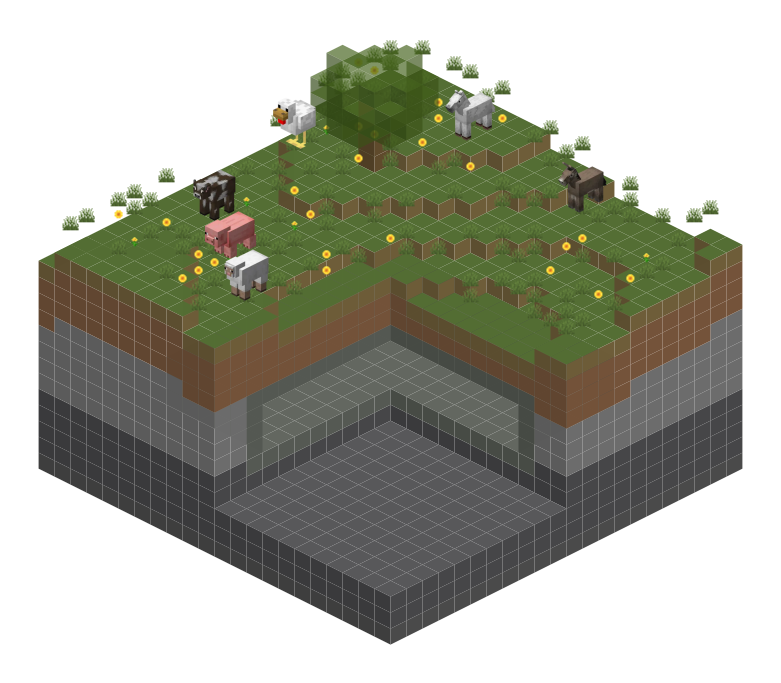
Every sunflower in the game faces east, so a patch of them is a compass you can read without opening an inventory. Underneath is the same flat grass and tall grass as the plains, grazed by the same cows, pigs, sheep, chickens, horses and donkeys. No structure is tied to the biome, so what you carry out is flowers and the dye they make.
It shares the plains climate exactly: temperature 0.8, humidity 0.4, warm rather than humid, temperate, with rainfall instead of snow. Being a variant makes it uncommon rather than everyday, and minecraft:sunflower_plains has generated that way since 1.7.2, 26.2 included.
Where to find Sunflower Plains
An Overworld plains that grew flowers. Plains, Forest and River border it, and the grass on either side of the line is identical.
Scan for the bright yellow sunflower patches that appear nowhere else in the game.
Uncommon, and the only difference you can see from a distance is yellow: sunflowers grow here and in no other biome, and they all face the same way, which makes them a compass. Horses and donkeys graze between them. Stay on the plains while travelling and you will cross one for reasons of your own soon enough: it forms in the same place as its parent biome and shares its neighbours. Watch the heads above the grass, because they stand taller than anything else growing there.
Mobs in Sunflower Plains
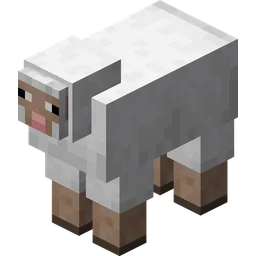
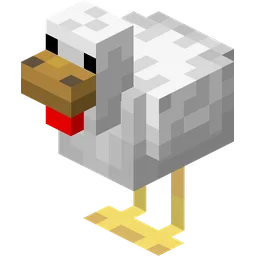
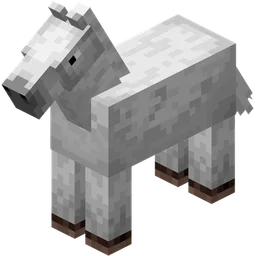
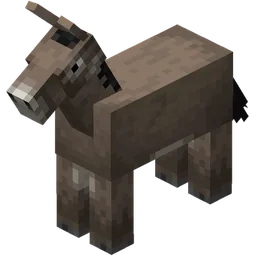
The same six animals as ordinary plains graze between the sunflowers, and not one of them is dangerous. Per spawn attempt sheep lead on 26 percent in groups of four, chickens and pigs sit on 22 percent, cows on 17 percent, horses on 11 percent in groups of two to six, and donkeys trail on about 1 in 45.
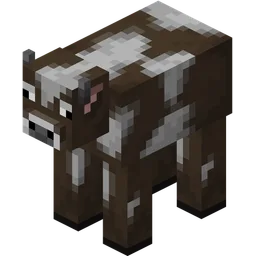
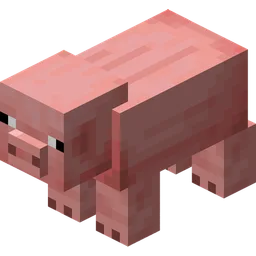
What they are worth: wool from a sheep, which grows back after shearing once it has eaten grass; feathers and raw chicken from a chicken, plus the eggs it lays; porkchops from a pig, which can be ridden under a saddle and a carrot fixed to a stick; beef, leather and a bucket of milk from a cow. Horses can be tamed and saddled for travel, and donkeys take a chest for storage you can walk around with. The numbers behind that put the chicken at a fifth per attempt, four at a time. A cow drops leather and beef, for example and is milked with a bucket, while sheep give mutton along with the wool.
Sunflower Plains blocks & resources
The Sunflower is the whole reason to stop. It grows here and in no other biome, every stem you break is two yellow dyes, and all of them face the same way, so a field of them doubles as a compass. Underneath, the ground is the Grass Block and Tall Grass of the ordinary plains next door.
People come for flowers for dyes and leave with a full inventory of stems, which is a fair trip for a biome with no ore and no stone of its own.
The biome gives you nothing else that the plains next door does not, and that is fine: you came for the yellow.
Break a Sunflower and the sunflower comes back as an item, so a field of them is a field you can pick up and move.
 Sunflower
 Grass Block
 Tall Grass
Structures & features in Sunflower Plains
Nothing here is built by anyone. No generated structure is tied to sunflower plains, so a walk across it pays in scenery, flat terrain and standing sunflowers rather than in chests and buildings to loot.
That does not make the ground under your feet empty. The world still builds below without looking at biome edges: mineshaft tunnels crossing the stone, a dungeon with its spawner, and a stronghold if one happened to be placed nearby. All of it can be dug up beneath the sunflowers without a single one of those structures belonging to this biome. You get scenery out of exploring rather than loot, while the dungeons and mineshafts below ignore biome boundaries the way that generation always has, an occasional stronghold with them. It ignores the flowers overhead and rewards a pickaxe instead, and such things are down there whether the flowers are or not.
 Temperature
 Precipitation
 Version Added
 ID
IDSunflower Plains biome colours
Colour for colour identical to the plains, including the standard water and sky, and like the plains it has no music of its own. Everything that separates the two biomes stands above the grass rather than in it. Humidity 0.4 and temperature 0.8 are the same numbers as well, so rain falls here exactly as often.
Sunflower Plains terrain features
- -flat terrain
- -sunflower patches
- -tall grass
Sunflower Plains: what generates per chunk
The sunflower pass comes on one chunk in three with 96 tries, and that single entry is everything this biome adds to the plains list underneath it. The trees still run at 0.05 per chunk, the flowers still on one chunk in 32, the grass still in patches of 32. Forty eight passes, one of them yellow.
Sunflower Plains: spawn rules and variants
Farm animals on the sunflower plains come out in the ordinary form, exactly as they do on the plains next door, because neither field is classed as warm or cold.
The stronghold placement favours this biome as well, so the field of stems can have a staircase under it.
Sunflower Plains: structure depths and spawns
No village and no outpost on the sunflower plains: the surface is left to the flowers, and everything the game builds here is underground.
Mineshafts, a stronghold and the trial chambers between y -40 and y -20 are the whole list, and the chambers turn off the ordinary mob spawns inside their walls before they place a single spawner.
Which biomes border Sunflower Plains
Sunflower Plains is a 0.8 island in a range of 0.5 to 0.8.
What the mobs in Sunflower Plains drop
Sunflower Plains pays out 6 different drops across the mobs on its spawn list: mutton, porkchops, chicken, feathers, beef and leather.
Sheep is the one to build a farm on: it takes 26.1 percent of the animal draw in Sunflower Plains and drops mutton. Behind it in the same draw come Pig on 21.7 percent for porkchops, Chicken on 21.7 percent for chicken and feathers and Cow on 17.4 percent for beef and leather.
What Sunflower Plains is good for
The sunflower plains are the only place a sunflower grows on its own, and that is the practical reason to walk into one: sunflowers give yellow dye without spending a flower you might want elsewhere, and they always face east, so a single stem tells you which way you are looking without a compass.
Everything else the plains offers is here as well, cows, pigs, sheep, chickens, horses and donkeys on flat grass, but the sunflower plains generate no village and no outpost at all, so you get the animals without the neighbours.
How to find Sunflower Plains
Sunflowers give this variant away at a distance, and for the horizons where none show up, run the /locate biome search, which treats a sunflower field as its own biome and not as ordinary plains:
Sunflowers change nothing about the rules: this command requires cheats to be enabled before a single sunflower can be named, or operator permissions on a server, so you can only use what it prints.
Sunflower Plains on Java Edition against Sunflower Plains on Bedrock
Sunflower Plains is one word for one biome on both editions: /locate biome sunflower_plains works the same way on Bedrock, and the temperature of 0.8 and downfall of 0.4 are identical to Java.
The stems sit in water drawn #3F76E4 on Java against #44aff5 on Bedrock, the same pair the ordinary plains gets, and any snow that does fall on the sunflowers stops at an eighth of a block.
| Sunflower Plains | Java | Bedrock |
|---|---|---|
| Sunflower Plains in /locate biome | minecraft:sunflower_plains | minecraft:sunflower_plains |
| Sunflower Plains temperature | 0.8 | 0.8 |
| Sunflower Plains water colour | #3F76E4 | #44aff5 |
| Sunflower Plains snow depth, blocks | n/a | 0 to 0.125 |
Sunflower Plains name and version history
Sunflower Plains goes back to 1.7.2 and has been listed under this name in 51 releases, the oldest of them 1.13. No rename has ever touched it.
- 1.7.2Sunflower Plains starts generating
Sunflower Plains: which advancements count
Skipping Sunflower Plains costs you Adventuring Time. That advancement counts 56 biomes out of 67, the 16 temperate ones among them, and Sunflower Plains has to be on your map before it fires.